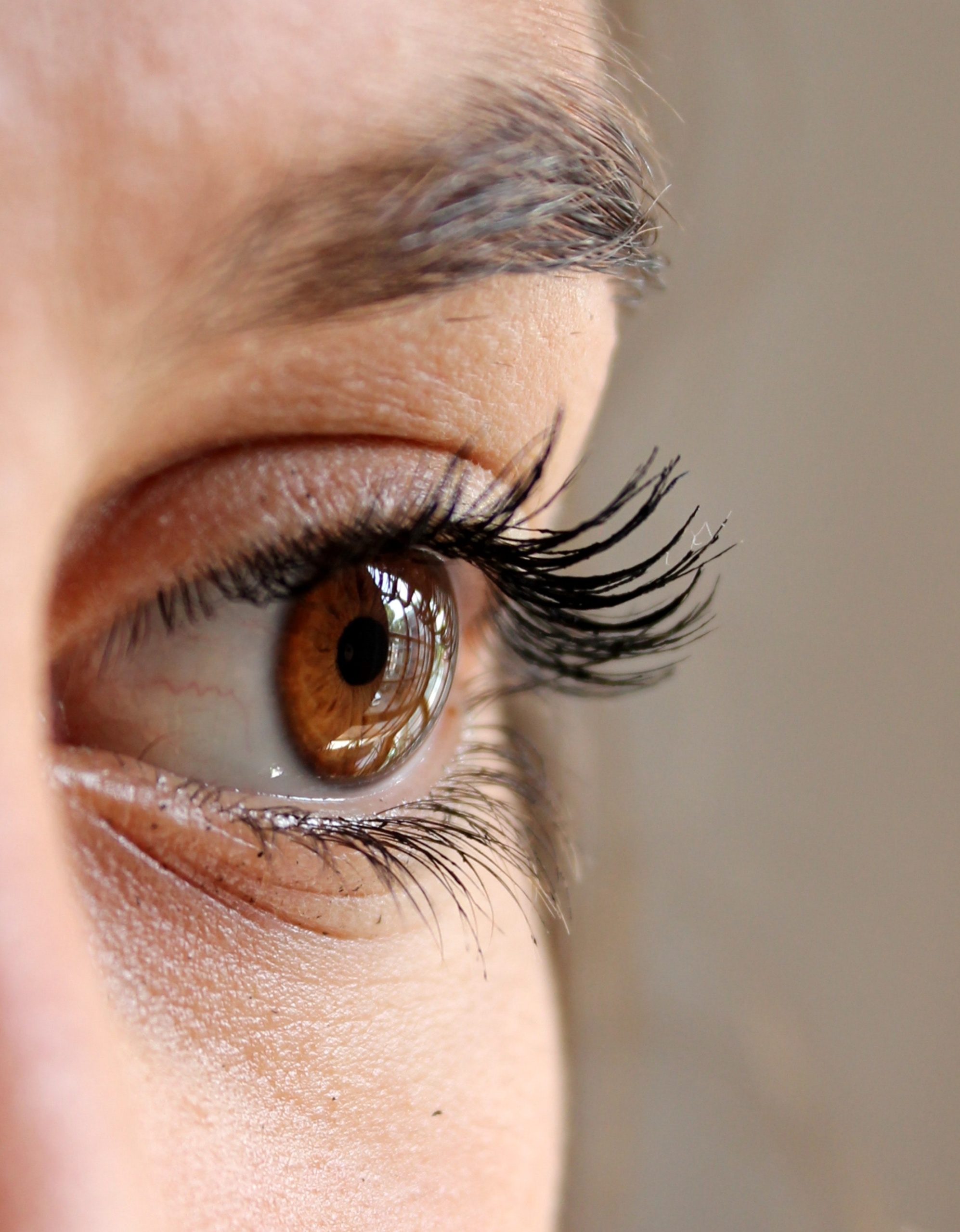
They say that the look is the reflection of the soul, and when you want to highlight it, a good play of shadows and makeup is the right complement. False eyelashes are our best allies to enhance our look, but sometimes they can be too large and give an unnatural appearance. For women with short or sparse eyelashes there is a wide variety of false eyelashes that can give the desired appearance.
In many countries, the cosmetic industry still allows testing on animals, so perhaps the products we consume are produced at the cost of animal cruelty. Continuing with this trend of columns to motivate us to be conscious consumers, this time we will talk about testing of products, ingredients and chemicals in animals.
The terrible secret of the cosmetics industry is that many “innovative” companies continue to use tests on ingredients and final products in animals.
When you choose Tigress Beauty as your leading provider of vegan lashes, you can be sure you are using beautiful eyelashes that do not contain any animal-derived components.
Animal submission
These are forced to ingest chemicals, they put substances that irritate their skin and eyes, only so that we can use “the latest technology” in shampoo, mascara, wrinkle cream and other cosmetic products. The beauty industry has been the subject of animal abuse due to the use of both rabbits and mice and monkeys to test cosmetic products and know their possible results. Luckily, there are more and more firms that demarcate from these traditional procedures and are committed to a production free of animal suffering.
That’s why labels like ‘organic’, ‘vegan’, ‘organic’ or ‘cruelty free’ appear frequently on makeup containers and facial care products. But which of these characteristics is the truly respectful of animals?
Vegan is not synonymous with ‘cruelty free’
In order for any cosmetic product to be considered as ‘vegan’, it must not contain any ingredients of animal origin, nor derived from them, such as lactic acids or honey. A slightly less demanding category is that of la vegetarian’, which assumes that the product may not contain any part of the animal, but ingredients produced by them.
On the other hand, a cosmetic listed as ‘cruelty free’, that is, free from animal abuse, depends on other factors. For this, both the final product and all the ingredients it contains cannot have been tested on animals. But the responsibility not only lies with the brand that sells the cosmetic, but it is up to third companies contracted only to carry out a part of the production. If any of these uses animals to test their ingredients, then they cannot receive the ‘cruelty free’ label.
It is also possible that the firm that markets the product does not test on animals, but is part of a larger company with other brands that do. And, if we go even further, it would be convenient to pay attention to the market for selling their products. For example, cosmetics sold in China are required by law to be tested on animals. Thus, any brand that in Europe claims to be “cruelty free” loses that category when it goes on sale in the Chinese market.
While obtaining ingredients from animals does not have to cause suffering for them, the fact of testing them is considered an act of cruelty according to organizations such as PETA (People for the Ethical Treatment of Animals). The truth is that this procedure has become totally unnecessary. Currently, it is not only possible to have new mechanisms that allow us to know the effects of an ingredient – such as animal tissue replicas – but there is also a large list of ingredients classified as “safe” that have been previously tested. Even so, many firms tend to retest these ingredients, either because of ignorance or because they test the final product
At first glance, it may seem complicated to find out if a brand is free from animal cruelty and what ingredients it uses to make its products. But thanks to initiatives like Cruelty Free Kitty, it is already possible to have lists of both brands that test on animals and those that are ‘cruelty free’ or ‘vegan’. Both on this website, created by an animal rights activist, and through PETA or Leaping Bunny it is possible to search directly for a cosmetics company and know their position in this regard.
The Body Shop has become one of the most consecrated firms in this fight, along with Lush, which actively denounce animal experimentation. The Body Shop firm has come to collect during this year 2018 a total of eight million signatures to bring this issue to debate at the United Nations. Although in the European Union testing on animals for cosmetic purposes has been banned since 2013, there are still countries such as the United States or Canada that continue to allow these procedures. In addition to these two British firms, there are many more companies that dispense with animal abuse and from which it is possible to continue shopping without conscientious regrets.
Among them, is the Italian Kiko, although not all its products are 100% ‘vegan’. NYX, one of the rising brands for its value for money, is also considered “cruelty free” thanks to certificates such as PETA. Two of the low-cost lines that are also free of animal suffering are Essence and Catrice, which are part of the Cosnova company. Within the more professional field of makeup there are also firms – such as Kat Von D or Urban Decay – that opt for cosmetics not tested on animals.
When you choose Tigress Beauty as your leading provider of vegan lashes, you can be sure you are using beautiful eyelashes that do not contain any animal-derived components. Stop cruelty in the makeup industry by resorting to vegan eyelashes such as the one provided by selecting our products. With our eyelashes you can easily emulate the look of natural eyelashes with extra volume that will help you achieve a beautiful doll-eyed look.