Wastes in the kitchen are very varied and include all those products, packaging, food, waste, which do not have a direct use for the activity of our business. In order to define what we can do with the waste from the kitchen, we will explain them in a simple way and classification, as well as some tricks to avoid them.
Classifying wastes in the kitchen
- Recyclable wastes: these would be all those wastes that we can recycle with the common garbage collection services in our area. If you consider recycling a tedious activity, with Recyclit you can dispose inorganic waste, organic waste and recyclables knowing that you are using an innovative solution made with the most reliable and durable items in the market.
- Green packaging: all types of glass and glasses, as well as containers of this non-returnable material.
- Blue packaging: all types of cardboard and paper, as well as containers of this material
- Yellow packaging: here we will put plastics, brass, preserves and bricks, do not confuse the latter with cardboard.
- Grey colour packaging: all residues of organic origin, vegetables, meat etc.
- Fatty waste: This type of waste, not only is it good for the environment to be able to recycle it, but it is compulsory in all the country’s establishments, its collection by a company authorised by your municipality.
How should you manage wastes?
You must establish a mechanism of garbage management in order to prevent it from becoming a danger to your business or house.
Process
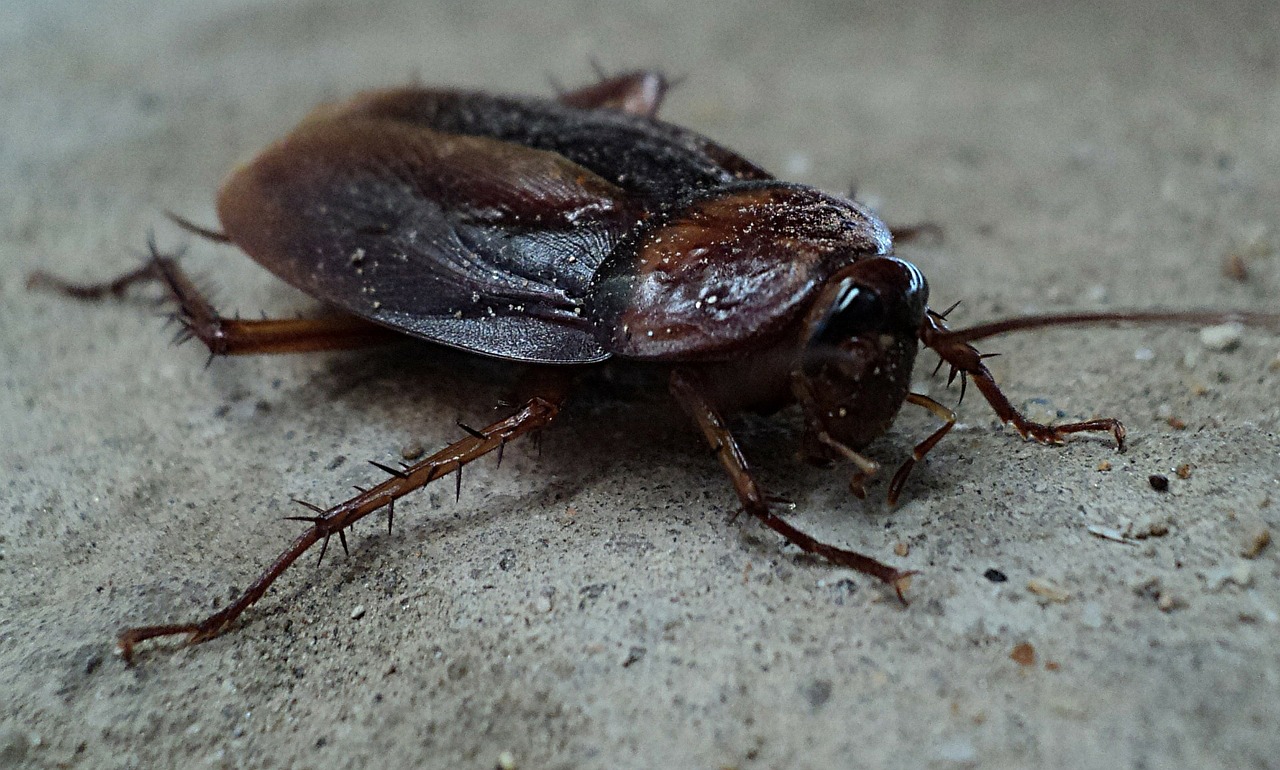
- All trash should be removed from the food preparation areas as soon as possible, to prevent odours, pests and possible contamination.
- Garbage will not be loaded onto the food.
- Garbage containers must be drip-proof, waterproof and plague-proof, have tight fitting lids.
- Dumpsters should always have plastic bags to facilitate removal from the areas and make cleaning easier.
- Garbage containers should be cleaned thoroughly and frequently. Garbage containers must be kept covered, they must be as far away as possible from the preparation areas, preferably outside the establishment.
Monitoring
The supervisor should check that garbage is removed as soon as possible from the areas and garbage dumps and garbage bins are cleaned. The garbage area should be cleaned regularly in order to keep the kitchen spotless.
Corrective action
If you start accumulating garbage then you should re-train your employees and look for a suitable strategy that allows good management practices.
Tips to avoid wastes in the kitchen
On the other hand, we would like to tell you different tricks to avoid having many organic wastes in the kitchen. Nowadays restaurants and bars in some countries throw 9 million tons of organic waste, and there are even different initiatives to avoid waste. Here are the actions we can do to contribute to this.
Defining our menu and analysing leftovers
When selling or working with food products, we must analyse all purchases. We can talk with our provider to help us choose the best one. For example, buying a whole beef tenderloin will cost us a kilo cheaper, however we will have to clean it of tendons, fat and cut it. This will make the final product more expensive due to shrinkage, however we will be able to buy it in portions, with which the losses will cease to exist. Now it will be our decision that decides what product to buy, and if we use the waste for other recipes elaboration or buy without it and save us the work.
The rotation of the products
Know when the products will stop being useful, expiration and preferential consumption to avoid having to discard it and have enough training to be able to take advantage of elaborations and menus.
4 types of organic wastes you can benefit from
It is important to keep in mind that much of what is thrown away could have a second use. Considering that in the kitchen we generate a lot of organic waste, today we want to help you find new ideas to reuse them and, in passing, to have a much more ecological recipe. Do you want to know some easy ways to recycle waste after cooking?
Eggshells
The egg shells are full of nutrients that come very well to the plants. You can use them by spreading them around the garden, or if you are going to plant seeds, as a basis for these.
Orange skin
The skin of oranges and other citrus is another of the most common waste in the kitchen, and they have so many uses that you cannot even imagine them.
In addition, to being a fertiliser for your plants, they act as insect repellents in the garden, as mosquito repellents at home and can be used to aromatise your rooms.
Coffee
With coffee wastes you can prepare a compound that, when added to the irrigation water, will fill your plants with nitrogen. But these leftovers also serve to create a kind of physical barrier that keeps, for example the ants, away from the doors of your house.
Banana skin
The skin of the banana is very positive to give the soil of the pots or the garden all the elements you need for more fertile plants. You can simply use it, or if you prefer, prepare an irrigation water with them leaving this organic waste in it all night.
In the kitchen, it is as important to prepare the best dishes as we care about the environment.
Considering that we are going to generate a lot of waste in it, why not make the most of it and also help to preserve our planet?
With Recyclit, we simplify the entire recycle procedure and save you a lot of time and effort from collecting all organic and inorganic wastes by having you posting them and letting the self-closing stainless-steel doors prevent any smells from spreading outside the recycling bin. An innovative option that helps you keep your kitchen as clean as possible and save time as well.