When talking about the best method of cattle breeding, the environment is one of the aspects that cannot be left aside. There is a method called “ecological system” which is defined as a system based on respecting the environment.
Feeding the cattle organically with grass is an excellent way to keep cattle healthy while taking care of the environment. Obviously for animals is the most favourable way, they are happier and healthier since the quality of their food is natural and undeniable. It has also been stated that the quality of the milk produced by cows following this diet is better.
Economic impact of an environmentally friendly method to raise cattle
Beef production is considered by some experts to be the least efficient way to feed humanity for a number of reasons, for example because of the enormous expenditure of natural resources such as water, an estimated 15,000 litres of water are needed to produce a kilo of beef, compared to the 2,500 litres of water that are needed to produce one kilo of rice. Also the great amount of land that is destined to the production of grain to feed the cattle, it is necessary to remember that 40% of the foods that are cultivated in the planet are used to feed animals.
To all this we have to add greenhouse gas emissions of cattle, such as methane, here we explained that the livestock sector contributes with almost 15% of these emissions, a figure similar to that generated by fuel vehicles. Researchers point out that grass-fed livestock may be more environmentally friendly, but for grassing, forests should not be cleared or synthetic fertilisers used for grass growth, as it makes climatic benefits virtually disappear. Experts say that the best grassing system analysed has a high enough climatic impact to justify efforts to limit meat production, that is, it is clear that there is no mention of eliminating meat from the diet, but to limit it so that the climatic impact is the minimum possible.
Environmental impact of grassing
Both methods of production (grassing and industrial) are similar in terms of greenhouse gases, nevertheless the first one seems to be more favourable for animals and allows to obtain better food as well. Most cattle is raised by grassing, but there comes a time when it is sent to a fattening farm so they can reach the ideal weight for marketing. During the fattening process cattle feed mainly on grains (90%), as well as corn, soy, alfalfa, etc; they are also given hormones and antibiotics for fattening to be more quickly.
Feeding cattle with grass only is very difficult and inefficient. This does not happen with the industrial production system, because within 3 to 6 months they gain the necessary weight, once it is over, the animal is ready to be sent to the slaughterhouse. With grass-fed cattle it can take years to reach a similar weight.
A cow fed using the industrial system needs about 12,000 square metres of land, in contrast, a cow fed exclusively on grass will need to have about 36,000 square metres of land. The grassing cow will drink 35% more water than the cow raised with the industrial system, this indicates that grain-fed cattle are more efficient if the resources spent are valued. But we must also take into account that grain production monopolises a large amount of land and spends a lot of water, so efficiency is non-existent.
Is grassing a viable way to raise cattle?
Cattle fed exclusively on grass produce 500% more greenhouse gas emissions than grain-fed cattle, all this is caused by the time cattle needs to spend being fed in order to reach an appropriate weight for their posterior enter in the slaughterhouse. One argument used in favour of grass-fed livestock is the contribution they make to generating more grass and improving soil conditions, better capturing carbon dioxide, but this does not compensate for the negative impacts caused by the emission of gases such as methane. In this sense, it may be interesting to take into account that research has allowed the development of food supplements that manage to reduce up to 30% methane emissions generated by cattle.
More and more producers are betting on ecological livestock because of the growing demand of producers for this product since the production method is considered more respectful with animals and offers food with better organoleptic qualities, this is true, but it is also true that this is an inefficient system that could not supply planet’s growing population, and in terms of the release of greenhouse gases, it is similar to that caused by industrial livestock. This is already a big enough reason to reduce meat consumption, where appropriate, as the best option to help curb climate change.
Like any other animals, farm animals also require fresh water daily. An adult cow, bull or ox can consume up to 20 water gallons per day. Avoid wasting water by installing an automatic irrigation system.
Only time will clear if it is possible to raise cattle only using natural ways to feed. It is very likely that the development of substances that can assist plants’ growing process while keeping them as a nutritive resources for cattle.
The scope of technology to increase livestock production is enormous, while at the same time reducing the use of natural resources per unit of output. What is needed is the willingness to defend the basis of natural resources, followed by the introduction of policies and institutions necessary to induce the adoption of this technology.
There are many opportunities to take advantage of the immense potential for development provided by livestock while minimising environmental damage.
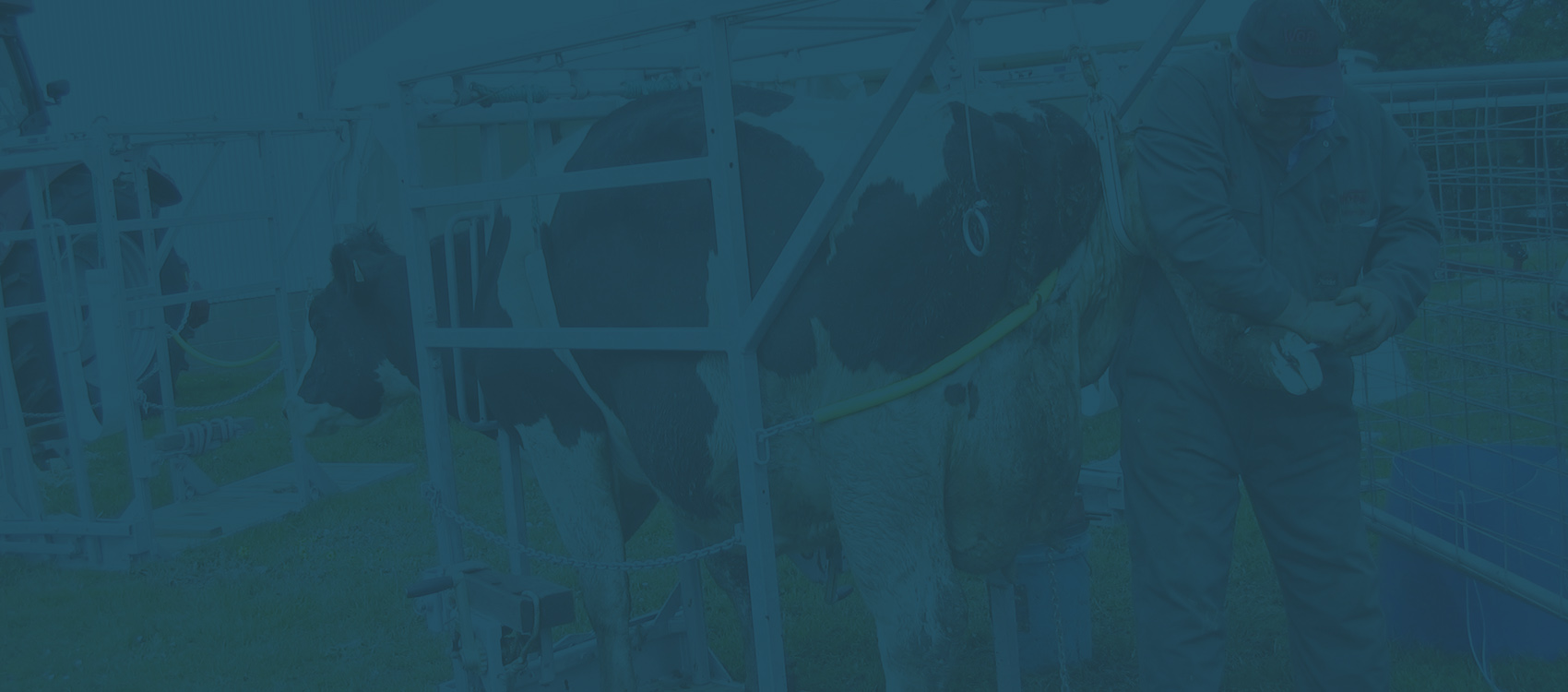
However, feeding habits are only one of the aspects that are extremely important regarding a proper process to raise cattle. There are many other aspects that affect cattle as well. If you keep cattle, then take advantage of our comprehensive hoof trimming service to ensure the health and wellbeing of your cows.