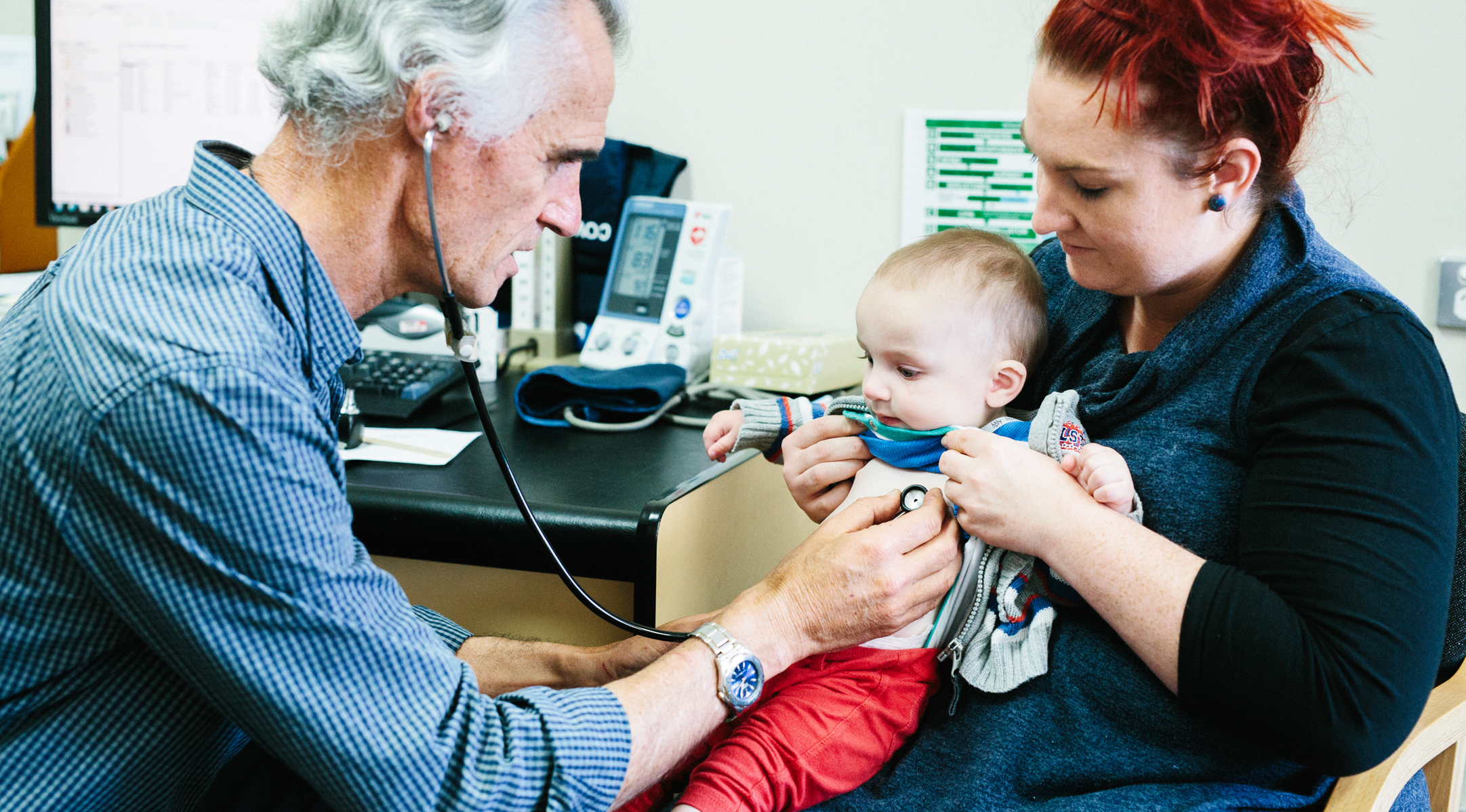
Annual medical check-ups are very important in adults in order to detect possible problems in our health in time to make proper decisions and look for the best treatments in the area. Check-ups are very important to detect possible problems in our health, and they must be part of the routine of any adult regardless of the lifestyle they have. In the same way, visits to the paediatrician and family doctor who carry out the check-ups to our children are essential to ensure their correct development throughout the years. It is important to note that paediatricians are specialists on all questions that arise in terms of health, nutrition and application of vaccines.
Healthy child care is an opportunity to ask questions and present concerns about the development, behaviour, and general well-being of your children. Making regular well-child visits to your child’s doctor and clearly stating all concerns is key to helping the doctor know what your children is going through in case the doctor is not able to spot all symptoms or something is not noticed during the visit. Take into account children’s health is way more delicate than adults’ is and ignoring symptoms can be really harmful in the near future for both, the children and yourself.
In order to ensure your visit to your children’s doctor is actually helpful and offers you peace of mind knowing your children is fine, we have gathered some tips and recommendations:
Make the most of your time with the doctor
One way to make sure you receive all the information you need is to create a list. Writing three to five questions and taking them to the visit will help you focus on the issues that concern you and start the dialogue with your child’s paediatrician.
Other ideas include researching websites, brochures, and books that describe age-specific developmental skills and the typical problems your child may have. If you have suspicions of what your children may be going through, this is the time to bring the topic to the table so the doctor can clear any doubts you may have.
Preventive actions
Vaccines are an important part of the preventive care visit, but this time you spend with the doctor may be useful to talk about other topics. Paediatricians also treat safety at home and in the play area or playground, optimal nutrition, teaching about toilet use and concerns about the environment, such as exposure to lead-based paint. Any kind of questions you have regarding your child’s daily life, the activities he or she does and what they may be allowed to do or should avoid doing, paediatricians will be able to clarify them.
It’s possible that many new parents may not realise they can ask questions about anything related to their child’s care, whether it’s a medical issue or not. It is important to find a trusted paediatrician, especially for new parents, someone with whom they can not only feel assisted in the health of the children, but someone who is also able to listen to them and contain them in the first steps they take as parents.
It is worth mentioning lack of information may bring unnecessary stress and trigger health problems in parents as well.
Prevention is better than cure
According to paediatricians, there are “rescue” medications, those that are prescribed when the problem occurs, and control medications, which are prescribed to prevent an outbreak of any situation the child is going through, that is, when paediatricians discover chronical conditions and prescribe medication to control the appearance of symptoms.
Two of the most common problems that paediatricians usually treat during winter season are eczema and asthma:
Eczemas
It happens that during the winter the skin dries up and this is due to the combination of a dry environment, cold air from the outside and air conditioning inside indoor environments. This results in some parts of the skin becoming irritated, itching appears, and consequently children scratch and hurt themselves, producing on the skin, irritation and inflammation. It is what is generally called atopic skin, which are those skins that do not have a normal hydrolipidic mantle, and causes those areas of the epidermis to be left without the natural protection they should have.
Control therapy for this condition consists in the application of specific moisturizers. It is suggestable to consult a children dermatologist before starting any kind of treatment. In most cases parents may become really worried and feel desperate due to how these conditions pushes children to scratch the irritated areas. The most common solution is using a daily cream made from oatmeal and immersing in warm-water baths with diluted oatmeal. In case the condition has developed too much already, another kind of cream may be required, one that contains corticoids.
Asthma
There are many types of medication for the treatment of asthma. Like any disease, its severity can vary, so serious asthmatics should take daily medications for treatment. On the contrary, there are patients who will not suffer serious attacks, therefore they will only need control medications. In many cases, people who suffer from asthma when they are children grow up to become healthy people without any kind of condition in their lungs.
The goal of paediatricians is to keep these diseases controlled so as not to affect the quality life of the children. And the goal of parents should be to help maintain the periodicity in the control visits.
Finding a paediatrician parents can trust may be a true challenge since it is the health of a children what is going to be in charge of someone else. For this reason, Apple Tree Family Practice offers the services of highly qualified professionals in many different areas of self-care. We take pride in having a friendly staff able to develop strong relationships with patients and their relatives based on trust.
Apple Tree Family Practice is a business devoted to offer quality services and offer peace of mind to old patients looking to be healthy.