Not only reinforcing concrete with crystal nanoparticles or production graphene are only some ways science and experts have found to revolutionise modern architecture and construction procedures. Nevertheless, there are many other options as well.
It seems like in the future, traditional blocks made of concrete will be left aside since there are many other options that can benefit from other resources or take advantage of the ones used in a significantly better way. The long list of advances in this area is always increasing due to research being carried out constantly in labs.
However, while technicians and other specialists keep improving all new discoveries in the area, we will review some of the best innovations in this area, the ones with the potential to become the most viable solutions in architecture today, tomorrow and in the future in general.
Using unbreakable materials
Those promoted as unbreakable materials have gained a lot of importance in the field of constructions lately. The reason behind this is quite evident since one of the main aspects construction seeks is to increase durability and resilience of buildings. Creating coated materials and using polymers that can be extra solid are only some of the options used by material manufactures around the world. Metal, ceramic and other additions of the like are some of the materials coupled with traditional elements used before in order to create a better outcome.
However, an important addition in these “new” unbreakable materials is that they offer a range of advantages and properties that common materials do not have. For example, being able to adapt to different temperatures, some of them being fresher than traditional concrete and helping building owners save money on air conditioning is one of the most remarkable characteristics of these new materials, but there are many other advantages such as isolation, keeping inside areas free from unwanted sound pollution coming from the outside.
Resilient, Self-Cleaning Finishes
Most coatings used in the present such as steel, glass or even paper are being developed and constantly used by constructors because they are not only resilient but also easy to install and easy to clean as well, saving a lot of time in the future and being the most comfortable option for people living or working in the building. For example, at the University College London a new coating is under development, one that is able to resit moisture even after being exposed to oil which is one of the most popular substances when it comes to weakening a certain spot. This new material is made from titanium dioxide nanoparticles which is able to reject invasive substances off the surface, making way easier to remove dirt when cleaning.
Experts on the field are looking to scale this up to the next level in order to modernise all materials used for construction making buildings more moisture-resistant and enlarging their lifespan. Experts remain hopeful that this will eventually turn into a way to create durable, self-cleaning facades that save people lots of work.
Wave Benders
Certainly, one of the most innovative options in current market, a team of researchers from the University of Missouri are currently developing an innovative way to control elastic waves that can usually travel through materials while not interfering with the composition, this would be an excellent way to avoid the consequences of seismic events. Experts have let know that in the future buildings can be constructed in order to redirect and retract movement in only a few seconds, avoiding the detachment of any parts of the building and being able to stand catastrophic earthquakes, tsunamis and other natural disasters.
The team has also mentioned that there are many materials that can be adapted this way and that they are not expensive, highlighting the possibility to improve plastic and metal used in buildings in order to become excellent wave blenders.
Using graphene
Graphene has already been among the favourite options of builders for quite some time, being promoted as an ultrathin and extremely strong material that can be used to produce graphene sheets that are able to enlighten thermal processes as well and save buildings a lot of energy. Graphene has raised as a top option for those looking for a material that can be consistently adapted to construction procedures in the present.
It has also been recognised as an excellent option especially for small-scale products used for coatings, electronic and solar cells as well.
Stronger Concrete
Concrete is certainly the most traditional material used in construction, and it has shown to be a very reliable and resilient material throughout time. However, its evolution is just a matter of time, and making it stronger is among the priorities of reserachers and experts and it is already being carried out. The use of nano-reinforced materials has demonstrated to help outperform traditional concrete in terms of resilience, flexibility and strength. Also, it is an excellent way to achieve the smallest impact in the environment, reducing the size of the footprint left by human beings in a consistent way while not impacting the weight of the material, which is essential when looking for the best set-up.
Optimising the behaviour of these materials make take some time, but they are not only expected to suit properly for construction means but also to help in many other areas of lifestyle, although they are expected to be seen in the construction area sooner than in other areas.
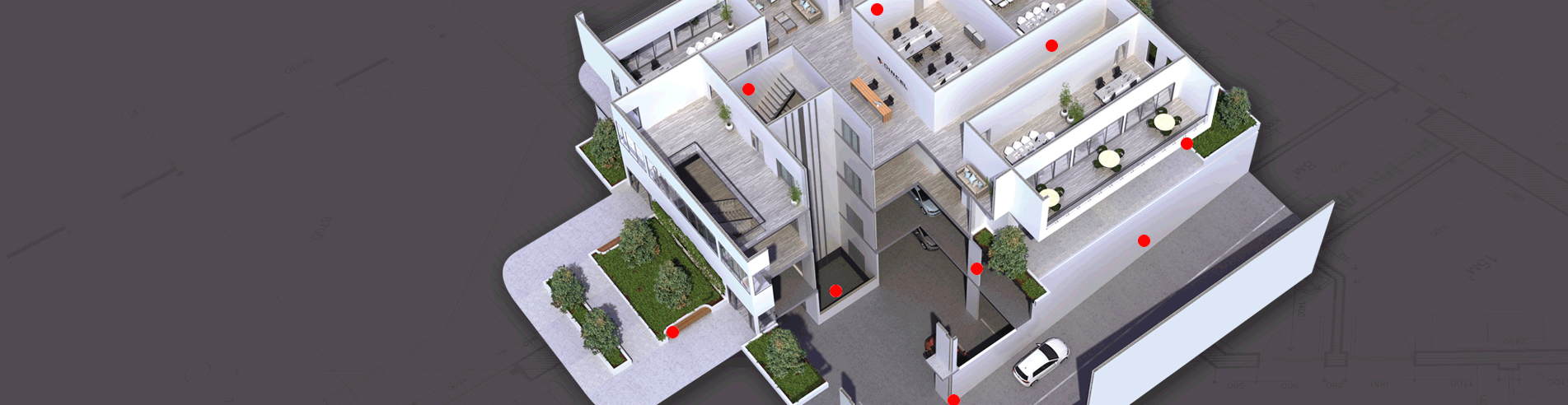
With Dincel Structural Walling, innovations do not have to wait since you can easily achieve waterproofing and the elimination of any possible air voids with no additional waterproofing membranes required.
Dincel’s polymer formwork is the favourite choice of concerned engineers looking to satisfy all the needs and requirements of their clients. We help increase effectivity and reduce the possibility of losing too much of your budget for overextending during the work and incurring in more expenses, which is what happens most of the time. Embrace innovation right now.