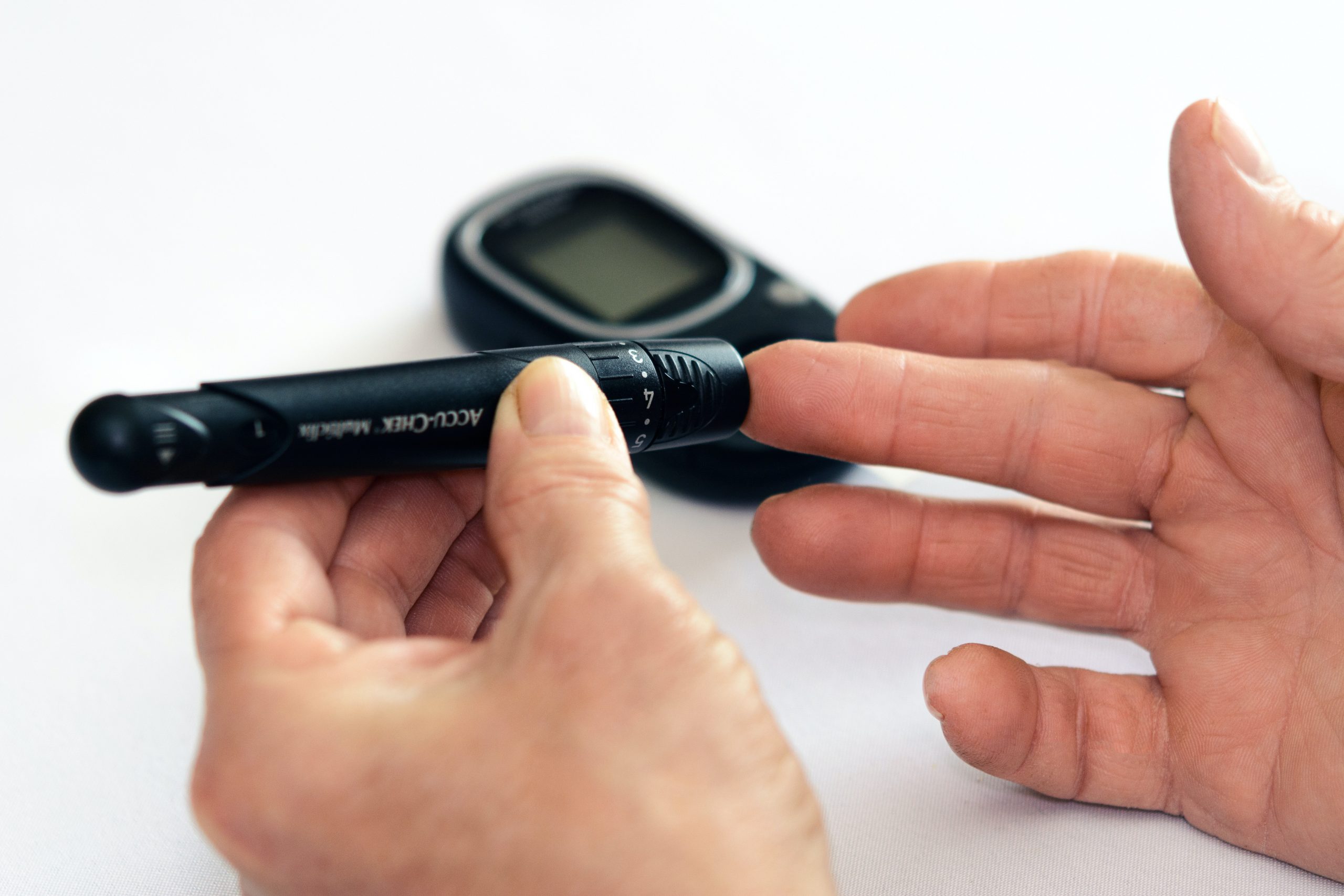
People suffering from diabetes require special footwear due to their disease and that their feet undergo physiological changes, such as reduced blood supply. One of the biggest complications for diabetics is the deterioration of their nervous system, which can lead to loss of sensation in the feet and not being aware of an injury or blow.
Bear in mind that here at Happy Feet Pedorthics we will help you feel comfortable wearing the right type of shoes according to the activities you do.
These patients are more prone to infections by fungi and pathogenic bacteria, which implies a risk to their health.
It is essential that each patient identifies and knows the characteristics of their foot, their gait and the accessories that accompany the foot.
Footwear is essential to prevent problems with the feet. First of all, you should not walk barefoot, this way you avoid cuts and injuries.
For people suffering from diabetic foot, it is advisable to look for a shoe model with sufficient width and volume so that this area is not compressed, since any small trauma to the extremity of the fingers or nails will cause a spill, which can reach trigger a small abscess and infection.
You should wear comfortable shoes, it is not advisable to wear sandals or any shoes that expose the toes, nor high heels or pointed shoes, or uncomfortable or tight shoes that rub or injure the feet.
It is necessary to always wear thick socks or socks, although they must be changed every day to avoid foot fungus. It is not good to wear elastic socks, nylon, or with internal seams.
It is advisable to change footwear every day, in this way, the shoes finish drying before using them again, and you should check your shoes before putting them on, to avoid injury from stones or objects.
Because most heel injuries appear from poor support or inadequate footwear, we recommend looking for footwear with the following:
- Hard density sole.
- Consistent and padded buttresses.
- Delete additional pieces, badly called orthopedic, as they tend to cause greater instability.
- Heel height: men’s shoes: 2 centimeters. Women’s shoes: 4 or 5.
- Enough volume and width of the shovel.
- Thick, high-density rubber sole (hard).
In addition, chafing at the level of the Achilles tendon is frequent, an area considered high risk due to the difficulty in healing any wound or injury. To avoid them, it is advisable to take into account the height of the rear buttress of the shoe, which must be appropriate to the foot of the person who is going to use it. It is recommended to leave the malleoli or ankle area free.
The ratio of shoe capacity (size) to foot volume should also be considered. The shoe should not be too tight or too wide, since any movement of the foot movement inside the shoe can cause friction injuries.
If you are diabetic and need a new pair of shoes note that:
- The front part of the shoe is not very dotted, to allow good mobility of the fingers.
- The shoe is deep enough (the insole is removable) to be able to place an orthopedic insole and give space in case of any deformity of the foot.
- The sole is full contact or semi-total to give greater stability when walking or running.
- Do not have prominent seams on the inside, to avoid friction injuries.
- Have good ventilation to avoid excessive sweating of the foot.
- It must have a firm buttress (part that covers the heel) to give stability to the ankle and avoid pronation movements.
- Watch out for so-called “health shoes” – these often have a sharp-edged insole. This can cause corneal ulcers and calluses, especially on the foot and heel rim.
Feet and shoes can change shape over the years. Let your shoes be inspected regularly by your doctor or an orthopedic shoemaker in their shape and functionality to see if they fit properly.
Some homemade recommendations on shoes:
- Never go barefoot, in sandals or shoes with leather thongs between the toes
- Be very careful with the shoes you choose and the ones you wear, buy your shoes in the afternoon when the feet are more swollen and make sure that it is comfortable and that it is not necessary to “fit them”, that they fit well in width, length, back , the base of the heel and the sole. Avoid buying pointed or very high shoes. Try to buy leather shoes on top and with plenty of room for the toes. When the shoes are new, wear them only about two hours or less per day. Do not wear the same shoes every day, check them before wearing them and do not wear the laces too tight or too loose.
- Be very careful when choosing stockings. Wear clean, dry socks every day and avoid using ones with holes or wrinkles. Slim cotton stockings are more absorbent for summer. Square toe stockings do not pinch fingers, avoid stockings with elastic on top.
- Before putting on your shoes, inspect them to see if there are any foreign bodies in them.
- If possible, have 2 or 3 pairs of shoes and wear them alternately. Wearing several pairs of shoes allows you to alternate the points of support and friction of the feet.
Preventive care to avoid diabetic foot
Scientific studies have shown that 10 out of 11 amputations due to diabetes are preventable and that the main factors in achieving prevention of lower limb amputations are:
- Wash them daily with warm water and neutral soap.
- Maintain good glycemic control.
- Dry them with a soft towel, especially between the fingers.
- Use moisturizing cream, do not apply it between the fingers.
- Apply talc between the fingers.
- Cut the nails straight, with slightly rounded edges.
- The best time to trim your nails is after bathing.
- If there is a buried nail, go to qualified personnel.
- Footwear must be wide or square toe with thick, flexible and non-slip soles.
- Avoid using callus chemicals, or try to remove them with razors.
- Do not use electric cushions.
- Wear wool socks if you feel cold.
- The inside of the shoe must have a support for the arch of the foot.
- Keep a good control of blood pressure.
- Avoid medications that reduce peripheral circulation.
You should visit your doctor immediately when you have the following symptoms:
- Foot areas with increased or decreased temperature.
- Observe if there is difficulty walking, pain or weakness.
- Presence of blisters or small wounds.
- A swollen, red, or hard area.
- A zone of blue or blackish coloration.
- Buried or ingrown toenails.
- Changes in foot and toe sensitivity.
- Callus bleeding (suspect ulceration below the callus).
- Blistering from burns, as it can cause an ulceration or infection.
- Absence of sweating, this is an early sign of neuropathy.
- Foot deformity, redness, local heat.
Here at Happy Feet Pedorthics we can help you find the best option for you, we’ll assist you in the selection of shoes for your daily routine.